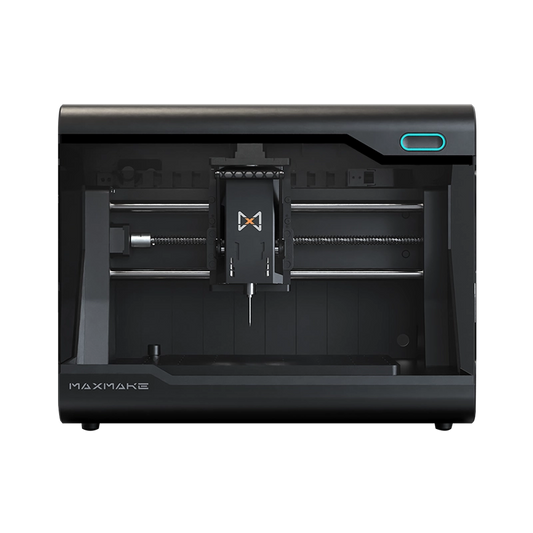
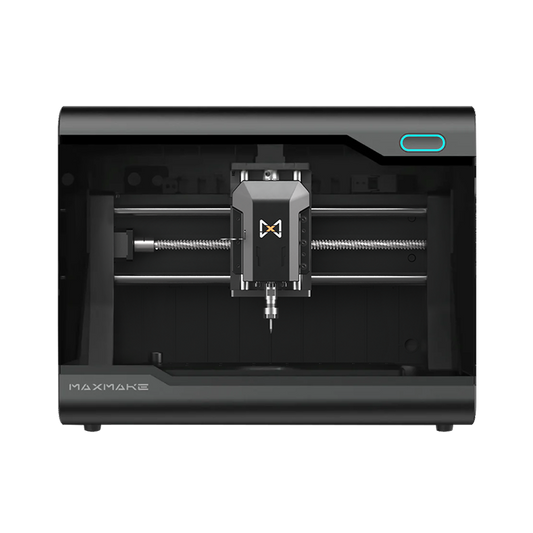
Desktop CNC Maintenance 101
Summary
Desktop CNC machines gradually lose performance due to dust buildup, insufficient lubrication, and mechanical wear. Proper CNC machine maintenance is essential to maintain accuracy, extend machine life, and reduce repair costs. This guide explains how to maintain lead screws, linear guide rails, spindles, worktables, and fixtures, and outlines why establishing a regular CNC servicing schedule is critical for long-term reliability.
Why Regular Desktop CNC Maintenance Is Essential
Although desktop CNC machines are compact, they contain precision mechanical systems including drive components, guide systems, and high-speed spindles. During continuous operation, these components are exposed to friction, vibration, and dust contamination.
Without regular maintenance, several issues may arise. Motion resistance can increase, components may wear faster, operational noise may rise, and machining stability can decline. Dust accumulation on guide rails and lead screws accelerates wear. Insufficient lubrication increases friction. Unclean spindle collets can affect tool holding performance.
CNC maintenance is not only about preventing breakdowns. It plays a key role in extending the lifespan of high-cost components such as ball screws, spindle bearings, and linear guide blocks.
From a long-term perspective, routine servicing requires far less time and cost compared to machine downtime or major repairs.
CNC Lead Screw Maintenance: Ball Screws and T-Type Screws
The drive system converts motor rotation into precise linear motion. Ball screws and T-type lead screws are commonly used in desktop CNC machines.
Ball Screw Maintenance
Ball screws rely on circulating ball bearings to reduce friction. Because machining generates wood chips or metal debris, contamination on the screw surface can enter the raceway and accelerate wear.
It is recommended to clean the lead screw regularly and apply appropriate grease based on usage frequency. Lubrication should be evenly distributed and not excessive, as over-lubrication can attract dust.
For machines running daily, a monthly inspection routine is advisable to monitor operational changes.

T-Type Lead Screw Maintenance
T-type screws have a simpler structure but higher friction. Continuous dry friction accelerates thread wear. Keeping the screw clean and applying light lubrication oil helps reduce wear. If unusual resistance or noise occurs, inspect the nut and screw interface.

Different machine models may have different lubrication points and maintenance intervals. For Maxmake D1S users, the official maintenance guide provides detailed lubrication locations and procedures:
👉 D1S Guide Rail & Lead Screw Maintenance GuideLinear Guide Rail and Smooth Shaft Maintenance
Linear guide rails and smooth shafts ensure stable axis movement.
Machining environments generate fine dust that easily accumulates on guide rails. If not cleaned regularly, debris increases sliding resistance and affects smooth motion.
Regular cleaning and lubrication are recommended according to manufacturer guidelines. Lubrication forms a protective layer that reduces direct metal contact and wear.

Smooth shaft systems are sensitive to surface condition. Scratches or oxidation increase friction. Wiping the surface and applying rust-prevention oil can slow wear progression.

For D1S users, proper cleaning and lubrication methods can be referenced in the official guide to ensure compatibility with the machine structure:
👉 D1S Guide Rail & Lead Screw Maintenance GuideMaintaining clean and properly lubricated guide systems directly supports long-term CNC stability.
CNC Spindle Maintenance Guide: ER11, QTC & ATC Collet Care
The spindle is the core power unit of any desktop CNC router. Continuous high-speed rotation places constant load on spindle bearings and tool clamping systems. Proper CNC spindle maintenance is essential for ensuring long-term machining stability and tool holding accuracy.
MTC Spindle ER11 Collet Maintenance
ER11 collets require a high level of cleanliness. Dust and debris inside the collet can affect tool shank contact and reduce clamping stability. Regularly remove the collet, clean it using compressed air, and inspect for elasticity loss. Worn or deformed collets should be replaced promptly to maintain proper tool holding.
A clean collet grips your router bits firmly — see our CNC router bits guide to pick the right bit and collet size for each material.QTC / ATC Spindle Collet Maintenance
Automatic tool change (ATC) spindles include drawbar mechanisms and taper contact systems. The tool holder taper must remain clean to ensure accurate seating. Regular inspection of the clamping mechanism helps maintain repeatability and consistent tool positioning.
New to QTC or ATC? Our desktop CNC tool changer guide explains how automatic tool change systems keep clamping repeatable.
If unusual spindle noise or vibration is detected, stop operation immediately and inspect spindle bearings and internal components.
Unusual spindle noise is often a sign of running the wrong feeds and speeds — check our CNC feeds & speeds guide for recommended settings.
For Maxmake D1S users, detailed spindle and collet cleaning procedures are available in the official D1S spindle maintenance guide, which outlines proper disassembly and servicing methods.
👉 D1S Spindle & Collet Maintenance Guide
CNC Worktable Maintenance and Vacuum System Care
Over time, CNC spoil boards develop tool marks and surface depressions. If not resurfaced or replaced, cutting depth consistency may be affected, especially during precision machining.
Inspect the worktable regularly as part of your desktop CNC maintenance routine. In high-usage environments, resurfacing the spoil board can restore flatness and improve accuracy. Severely worn boards should be replaced to prevent uneven material support.
Not sure what to make on your freshly resurfaced spoil board? Start with our step-by-step desktop CNC workflow guide.

For machines equipped with vacuum hold-down systems, regularly check seals and hose connections to maintain consistent suction strength. Weak vacuum pressure may allow material movement during machining, reducing surface quality and dimensional accuracy.

CNC Fixture and Clamping System Maintenance
Fixtures secure workpieces and directly affect machining stability.
Clamps and vises should remain clean and free from dust accumulation. Threaded components should be lightly oiled to prevent rust and binding. Over time, check locating components for looseness or wear.
Maintaining fixture integrity helps ensure consistent machining performance.


Recommended CNC Maintenance Schedule
Maintenance frequency depends on machine usage intensity.
For daily operation:
- Inspect lead screws and guide rails weekly
- Perform lubrication checks monthly
- Clean spindle collets regularly based on tool change frequency
| Frequency | Maintenance Task |
|---|---|
| Daily | Clean dust and debris from the worktable and linear guide surfaces |
| Weekly | Clean lead screws and guide rails; inspect lubrication condition |
| Monthly | Perform full lubrication check; clean spindle collet |
| Quarterly | Inspect spoil board flatness; check fixture alignment; apply anti-rust treatment to smooth shafts |
| As Needed | Replace lead screws, guide rails, or collets if excessive wear is detected |
Establishing a simple CNC maintenance log helps track component condition over time and identify potential issues before they lead to machine downtime. Below is a practical maintenance record template designed specifically for desktop CNC machines:
| Frequency | Component | Maintenance Action | Purpose |
|---|---|---|---|
| Daily | Work Area | Remove chips and dust; wipe guide rails | Prevent contamination of motion system |
| Daily | Spindle | Listen for unusual noise or vibration | Early detection of spindle issues |
| Weekly | Lead Screws | Clean ball screws or T-type screws | Prevent accelerated wear |
| Weekly | Linear Rails | Remove dust from rails and blocks | Maintain smooth motion |
| Monthly | Lead Screws | Apply appropriate lubrication | Reduce friction and wear |
| Monthly | Linear Rails | Lubricate according to manual | Maintain positioning accuracy |
| Monthly | Spindle Collet | Remove and clean ER11 / ATC collet | Ensure stable tool holding |
| Quarterly | Worktable | Inspect spoil board flatness; resurface if needed | Maintain consistent cutting depth |
| Quarterly | Structural Check | Inspect fasteners and mounting points | Prevent mechanical loosening |
Conclusion: CNC Maintenance Ensures Long-Term Reliability
Stable CNC performance depends on mechanical health. Regular cleaning, proper lubrication, and periodic inspections reduce wear and prevent costly failures.
Regular CNC machine maintenance is not an optional task but a necessary practice for ensuring consistent machining results and long machine life.
Establishing a structured maintenance routine allows desktop CNC machines to operate reliably for years.
Related reading: Best desktop CNC machines for 2026 · HiMill D1 vs D1S comparison
Frequently Asked Questions (FAQ)
How often should CNC lead screws be lubricated?
Lubrication frequency depends on usage. For machines operating daily, inspect lubrication monthly. In dusty environments, shorten intervals accordingly.
Should linear guide rails be cleaned every day?
For daily use, light cleaning is recommended at the end of each workday, with deeper inspection weekly.
How often should ER11 collets be cleaned?
Cleaning frequency depends on tool change usage and dust levels. Weekly cleaning is recommended in high-dust environments.
When should a CNC spoil board be replaced?
Replace or resurface the spoil board when visible depressions or uneven cutting depth occur.
What happens if a desktop CNC machine is not maintained?
Lack of maintenance can accelerate component wear, increase operational noise, reduce machining stability, and raise long-term repair costs.
How long does a desktop CNC machine last?
With proper maintenance, a desktop CNC machine can run reliably for 5-10 years or more. High-cost components such as ball screws, spindle bearings, and linear guide blocks are replaceable, so regular cleaning, lubrication, and inspection are the most effective way to extend overall machine life.

HiMill D1 Desktop CNC Machine
Connect with the MAXMAKE community
Share your projects, discover new ideas, and connect with other makers.
Join Our Community
Share projects, ask questions, connect with makers