Desktop CNC for Metal: What You Need to Know Before Buying
A desktop CNC can machine real metal parts, especially aluminum, but not every machine marketed for metal is built to the same standard. Most entry-level desktop CNCs are optimized for wood, plastics, and engraving work — they can score a surface or etch a mark, but they often struggle to reliably cut solid metal with the precision and finish that functional parts require. Even a hobby-grade machine often falls short if it lacks rigidity and repeatability. Before making a purchase, it's crucial to understand what separates an engraving-style router from a true metal-capable desktop system. This guide breaks down the fundamentals to help you make an informed decision.

Quick answer: Yes — a desktop CNC can cut metal, and aluminum is the most practical metal to start with. What separates a metal-capable desktop CNC from an engraving-style router comes down to four fundamentals: a rigid frame, a stable spindle, ball screw motion, and proper workholding with chip control.
If you’re shopping for a CNC router for aluminum, check these three specs first: a one-piece cast frame, ball screw drives, and a spindle that holds torque at low RPM.
Can a Desktop CNC Cut Metal?
The short answer is yes — a desktop CNC can cut metal. But the range and quality of results depend on the machine’s core design, not just marketing claims. When evaluating a desktop CNC for metal, focus on structural rigidity, motion stability, and the full machining workflow.
When people search for a desktop CNC router for aluminum, the machines that actually deliver are the ones engineered for metal from the ground up — not woodworking routers with a “metal-capable” label.
Desktop CNC Aluminum Machining
Aluminum is the primary metal for desktop CNC aluminum machining. It offers an ideal balance of machinability, cost, and versatility, and most metal-capable desktop machines are specifically optimized for aluminum.
For a real aluminum machining example, see the All-Metal Soldering Station CNC Project with MAXMAKE HiMill D1S.
What you can make:
- Aluminum brackets for mechanical assemblies
- Enclosures for electronics and IoT projects
- Functional prototype parts for product development
Common applications:
- Product prototyping for engineering teams
- Custom mechanical components
- Maker and DIY projects
Other Metals
Brass: Well-suited for small precision parts and decorative items. It machines more easily than steel and produces excellent surface finishes.
Copper: Machinable with proper tooling and parameters, though it can be more challenging due to its thermal conductivity.
Steel: Some desktop CNCs can handle light steel machining, but this pushes practical limits. Steel requires more cutting force, generates more heat, and demands significantly slower cutting speeds. It is not a primary application for desktop metalworking.
For most users, aluminum is the benchmark for evaluating a desktop CNC machine for metal.
What Makes a Hobby CNC Machine for Metal Capable?
Three fundamental factors determine whether a hobby CNC machine for metal can truly machine metal — or merely markets itself as capable.
Machine Rigidity
Left: Cast aluminum frame (one-piece, solid) — Right: Aluminum extrusion frame (screw-assembled)


The biggest challenge in desktop CNC metal machining isn’t cutting — it’s controlling vibration. When the tool engages the metal, cutting forces create vibrations that directly impact surface quality, precision, and tool life. A rigid structure dampens these vibrations and maintains consistent tool position.
- A rigid frame delivers a better surface finish with fewer visible vibration patterns
- It maintains precision across multiple passes — critical for parts that need to fit together
- It reduces tool wear by preventing excessive chatter
What to look for: Cast aluminum or cast iron frames provide excellent vibration damping. Aluminum extrusion frames, while cheaper and lighter, tend to flex under cutting forces, especially during aggressive desktop CNC aluminum machining.
Spindle Capability
Metal machining requires stable, consistent cutting power that a hobbyist woodworking spindle cannot deliver.
Key factors:
- Power output: 250W-class spindles are commonly seen in compact machines targeting aluminum work, but rigidity and workholding matter more than wattage alone
- Torque consistency: It’s not just about peak power — maintaining torque across the operating speed range is crucial for consistent cut quality
- Speed control: Precise speed adjustment allows you to optimize for different tools and materials
A higher peak wattage rating doesn’t automatically mean better cutting capability. A stable spindle with consistent torque delivery will outperform a higher-wattage spindle that cannot maintain steady cutting force.
Motion System
Precision metal parts require accurate, repeatable movement over hundreds of passes. The motion system converts control commands into actual tool position.
- Accurate movement: The tool must reach exactly the right position every time
- Repeatability: After completing a job, the machine must return to the exact same starting point
- Stable transmission: The mechanism moving the tool must be rigid and precise
Ball screw systems typically offer better repeatability and precision than belt-driven systems. Belts introduce inherent elasticity and compliance, which can make consistent metal finishing harder, especially for parts requiring multiple tool passes.
Workholding and Chip Control (Often the Hidden Decider)
On paper, a rigid frame, a capable spindle, and an accurate motion system should be enough — in practice, how the workpiece is held and how chips are cleared often decides whether the result is usable. A proper vise, clamps, or a machined fixture keeps the part from moving under cutting forces. Chip evacuation matters just as much: clearing chips prevents re-cutting, heat buildup, and surface damage. For aluminum, a light spray-mist lubricant or alcohol-based coolant improves surface finish and tool life noticeably. These details cost little but separate usable parts from parts that need rework.
Desktop CNC for Metal: Buyer’s Checklist
Before you buy, run through this checklist to separate machines that can produce usable aluminum parts from machines that merely claim to:
- One-piece cast frame — cast aluminum or cast iron, not screw-assembled extrusion
- Ball screw motion on all axes — not belt drive
- Stable spindle — holds torque at low RPM, 250W-class or higher with precise speed control
- Metal-grade workholding — a real vise or clamp system, not just a spoilboard
- Chip evacuation — clearance for mist coolant or alcohol-based spray
- Software with metal toolpaths — feed/speed presets for aluminum, not just wood profiles
- Documented aluminum results — real project examples from the maker community
Desktop CNC for Aluminum: What Budget Gets You
Budget ranges for a desktop CNC capable of real aluminum work in 2026:
| Budget Tier | Typical Price | What It Handles | Watch Out For |
|---|---|---|---|
| Entry | Under $1,500 | Light engraving, shallow aluminum passes, soft materials | Belt drive, flexible frames — fine for signs, not functional parts |
| Mid-range | $1,500–$3,000 | Regular aluminum parts, brass, PCB milling | Confirm ball screws and frame rigidity, not just spindle wattage |
| Prosumer | $3,000+ | Daily functional parts, precise prototypes | Match spindle power to your material mix |
Desktop CNC Router vs Mill for Metal
Understanding desktop CNC router vs mill for metal helps you choose the right machine for your goals. These are fundamentally different tools designed for different purposes.
| Comparison | Desktop CNC Router | Desktop CNC Mill |
|---|---|---|
| Main Purpose | Wood, plastic, engraving | Metal parts and precision machining |
| Structure | Usually lighter | Usually more rigid |
| Best Materials | Wood, acrylic, soft materials | Aluminum, brass, engineering plastics |

CNC routers excel at woodworking, sign making, and engraving. Some models can handle light aluminum engraving, but they are not designed for functional metal part fabrication. Their lighter structure and belt-driven systems make them less suitable for the demands of metal machining.
Desktop CNC mills are engineered with metal machining in mind. Their more rigid construction, ball screw systems, and stable cutting performance make them better suited for aluminum parts, functional components, and precision prototypes.
When comparing desktop CNC router vs mill for metal, a mill-style machine is usually the better choice if metal machining is your primary goal.
There are exceptions, but the categories are a useful rule of thumb.
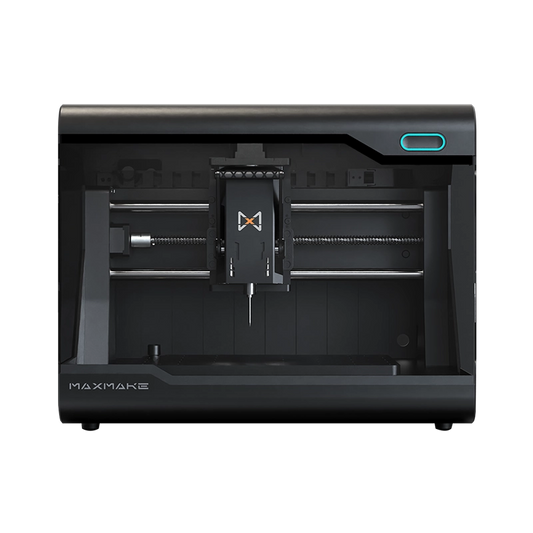
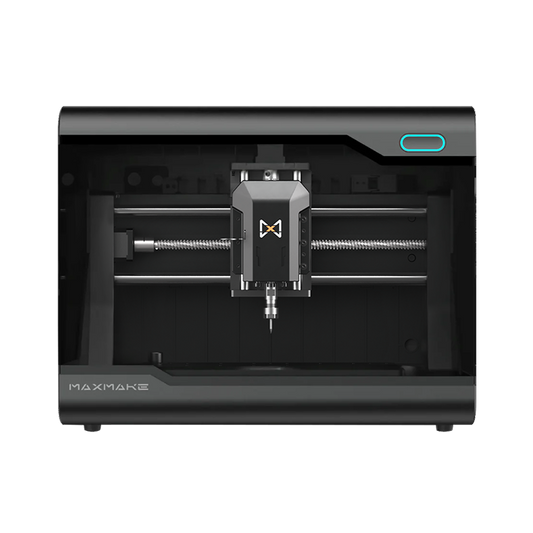
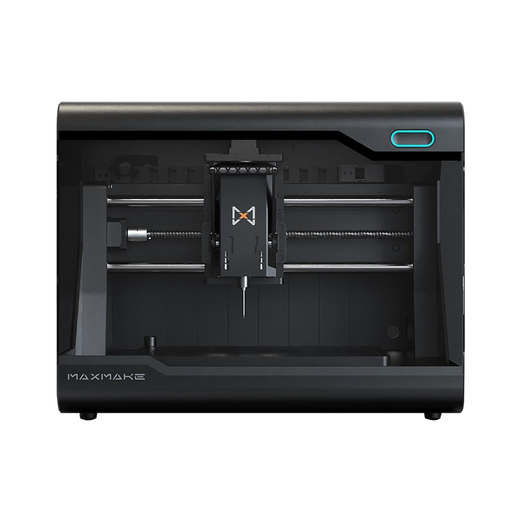
HiMill D1S: Desktop CNC for Metal Machining Example
The HiMill D1S provides a practical example of what a desktop CNC for metal looks like in real use. Other machines with similar rigidity and motion design can also meet these requirements.

Designed for Metal Machining
The D1S is built on three core design choices that enable real metal machining:
- Cast aluminum frame: One-piece cast construction provides the rigidity needed to dampen cutting vibrations and maintain precision
- Ball screw motion system: Reduces backlash for accurate, repeatable positioning across every machining pass
- Stable desktop platform: A compact form factor without sacrificing the structural stability required for metalworking
Real Applications
- Aluminum brackets: Structural brackets with precise hole patterns and clean edges suitable for real-world use
- Mechanical components: Functional parts for engineering prototypes, including gear housings, linkages, and structural supports
- Prototype parts: One-off components for validation — testing form, fit, and function before manufacturing
Capability Boundaries
- ✅ Suitable for:
- Aluminum machining
- Brass machining
- PCB milling
- ⚠️ Limited:
- Light steel machining (shallow cuts, slow speeds)
- ❌ Not designed for:
- Heavy industrial metal production
- Heavy stock removal
- Hardened steel or exotic alloys
FAQ
Can a desktop CNC cut metal?
Yes, a desktop CNC can cut metal, especially aluminum, when the machine has sufficient rigidity and proper tooling. For reliable results, prioritize a rigid frame, a capable spindle, and a ball screw motion system.
Can a desktop CNC cut steel?
Some desktop CNC machines for metal can handle light steel machining, but aluminum remains the primary application. Steel requires significantly more cutting force and generates more heat, which can exceed what most desktop machines can handle reliably.
Should I choose a desktop CNC router or desktop CNC mill for metal?
For metal parts and precision machining, a desktop CNC mill is usually the better choice. Mills are engineered with rigid structures and accurate motion systems that can handle metal cutting, while routers are typically designed for softer materials like wood and acrylic.
Can a CNC router cut aluminum?
Yes — a CNC router can cut aluminum when it has a rigid frame, ball screw motion, and proper feeds and speeds. Many routers labeled for aluminum are really woodworking machines, so check the frame material and motion system before buying.
What is the best desktop CNC for aluminum?
The best desktop CNC for aluminum depends on your budget and part size. Look for a machine with a one-piece cast frame, ball screw drives, and a spindle that holds torque — like the HiMill D1S example in this guide. Compare rigidity and motion specs, not just power ratings.
Final Thoughts
Desktop CNC machines can create real metal parts — but only if the machine is built for it. Aluminum is the most practical metal for desktop CNC applications, offering the best balance of machinability and real-world utility. When evaluating a CNC machine for metal, look past marketing specifications and focus on three fundamentals: rigid structure, capable spindle, and accurate motion system. A machine’s design matters more than its spec sheet numbers.
Ready to compare machines? See how the HiMill D1S handles aluminum parts, or read our Best Desktop CNC Machines 2026 buying guide to compare options side by side.
Disclaimer
This article provides general guidance on desktop CNC metal machining. Specifications and capabilities represent typical use cases. Actual results may vary based on tooling, material preparation, and operating conditions.
HiMill D1S - Pro Desktop CNC with Ball Screws & QTC
Connect with the MAXMAKE community
Share your projects, discover new ideas, and connect with other makers.
Join Our Community
Share projects, ask questions, connect with makers