[Desktop CNC Aesthetics] Brighten Up Your Desk! Making Crystal-Clear Acrylic Flowers with HiMill D1S 🌷✨
Fresh flowers fade, but art lasts forever. How do you use rigid CNC machining to capture the delicate, organic feel of plants? Today, we're leveraging the high-precision cutting capabilities of the HiMill D1S desktop CNC to transform multi-colored acrylic sheets into a set of "everlasting" art sculptures. Through precise interlocking design, let's instantly fill your desktop with multi-dimensional, colorful aesthetics!
Project Overview
- Project Name DIY Acrylic Preserved Flower Art Sculpture
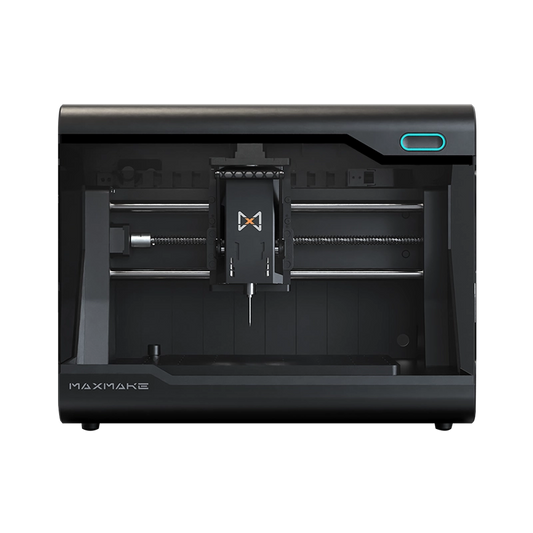
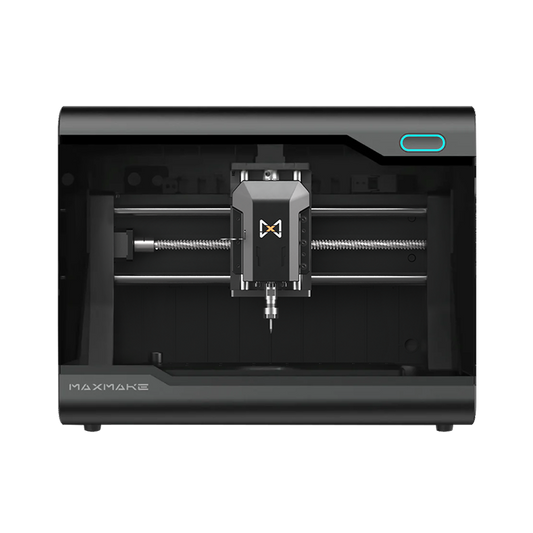
- Equipment Used HiMill D1S Desktop CNC (Spindle Milling Mode)
- Materials List 3mm thick multi-color Acrylic Sheets (Frosted Translucent Blue, Solid Red, Lemon Yellow, Translucent Green, Clear)
- Applications Desktop Decor, Light & Shadow Art, Creative Gifts
- Difficulty Level ★★★☆☆ (Intermediate. Involves tolerance control for multi-part interlocking joinery)
Phase 1: Prep & Design
For a modular art piece like this, precise design is the key to a successful assembly.
1. Prep & Tooling Selection
- Materials: 3mm acrylic sheet series.
- Tooling: The absolute essential 1.5mm Single Flute Spiral End Mill (Single flutes offer superb chip evacuation, preventing scorching or melting).
💡 Pro Tip (Pitfall Avoidance): Never use a 2-flute bit for cutting plastics and acrylics! A single flute end mill has a larger chip gullet, quickly evacuating chips and carrying heat away with them. It's the absolute holy grail for preventing acrylic from melting and gumming up the bit.
Design Key Points:
- Joint Compensation (Tolerance): Acrylic sheets usually have positive/negative thickness tolerances. When designing slots, we highly recommend leaving a 0.1mm - 0.15mm gap wider than the actual board thickness (e.g., for a 3mm board, design the slot width at 3.15mm).
- Form Logic: Modular design divided into three main components: "Vase Base", "Long-Stem Flowers", and "Leaves".

Phase 2: CAM Settings
The biggest fears when machining acrylic are "gumming up the bit" (chip welding) and "edge chipping". The stability of the HiMill D1S truly shines here. Copy these parameters:
- Spindle Speed: 13,000 RPM — High speed ensures a pristine surface finish.
- Cutting Feed Rate (XY): 600 mm/min — Can be fine-tuned between 500-800 mm/min depending on specific acrylic hardness.
- Plunge Feed Rate (Z): 600 mm/min.
- Step Down (Depth per Pass): 1 mm — The "shallow cut, fast feed" strategy.
- Machining Strategy: It is recommended to use "Outside Profile Cutting" and enable "Ramping / Smooth Lead-in" to minimize visible plunge marks.

Phase 3: Machining (Let the Chips Fly)
- Workholding & Zeroing: Secure the acrylic sheet (pre-applied with double-sided tape) to the machine bed. Use an edge finder or manual zeroing to set the work origin at the center or top-left corner (matching your CAM setup).
- Safety Check: Ensure the machine enclosure is closed and the air assist/blow line is clear.
- Start Cutting: Hit start on the HiMill D1S. Accompanied by a crisp cutting sound, the 1.5mm single-flute end mill glides across the acrylic like a paintbrush. Thanks to the dialed-in parameters and air assist, the evacuated waste is dry, white powder/chips, not a melted, gummy mess.

Phase 4: Post-Processing & Assembly
Once all parts are off the machine, it's time for the most satisfying part!
- Minimal Deburring: Although the cut edges are already very smooth, for a better feel, use 400-grit fine sandpaper to gently scuff around the edges, knocking down any sharp micro-burrs.
- The Peeling Ceremony: Peel off the protective film from both sides! Instantly, the dull parts become crystal clear with highly saturated colors.
-
3D Assembly:
- The brilliance of this design lies in its "interlocking joinery".
- First, assemble the blue base into a 3D vase using the pre-milled slots.
- Next, insert the clear flower stems, green Monstera leaves, red tulips, and yellow stars into the base grid in a staggered, aesthetic arrangement according to the blueprint.

The Result: The Art of Capturing Light and Shadow
When light passes through the differently colored acrylics:
- Translucent Blue Base: Creates a stunning visual illusion of “water”.
- Color Blocking: The overlapping red and green blocks cast vibrant, rainbow-like shadows on the desk.
- Minimalist Lines: Perfectly embodies the structural beauty of industrial machining combined with organic plant forms.

HiMill D1S User Insights
This build once again validates the HiMill D1S's advantages in acrylic machining:
- Edge Precision: The surface finish of the cut edges is exceptionally high, eliminating the need for tedious polishing steps (like flame polishing).
- Small-Part Friendly: Even the tiny interlocking slots on the petals are accurately reproduced, ensuring a snug fit—not too loose, not too tight.
What kind of flowers would you design for your desk? A minimalist solid color theme, or a bold color-blocking style like mine? Let's discuss your ideas in the comments, or click below to download my design files and make one yourself!
📥 File Download
Shared via Cloud Drive: Acrylic Preserved Flowers Project Files

HiMill D1 Desktop CNC Machine
Connect with the MAXMAKE community
Share your projects, discover new ideas, and connect with other makers.
Join Our Community
Share projects, ask questions, connect with makers